
If you’ve ever had to rush a parent to a clinic just to check their blood pressure, you already know why home medical equipment matters. A few simple devices can save you a lot of trips, and they give families a clearer picture of what’s going on between doctor visits.
The catch is that the market is crowded, and if you’re buying for the first time, it’s hard to know where to start. So here’s a practical walkthrough of the devices people in Pakistan use most at home, what each one does, and what to check before you pay for it.
One thing first: these devices help you monitor and support care. They don’t replace a doctor’s advice, diagnosis, or treatment.
Who Actually Needs This Stuff?
Mostly families looking after someone who needs regular checks: elderly parents, a relative with a long-term condition, or a patient recovering at home after an illness or surgery. What you need depends on the person, so it’s best to ask their doctor which readings are worth tracking before you start buying.
- Digital Blood Pressure Monitor
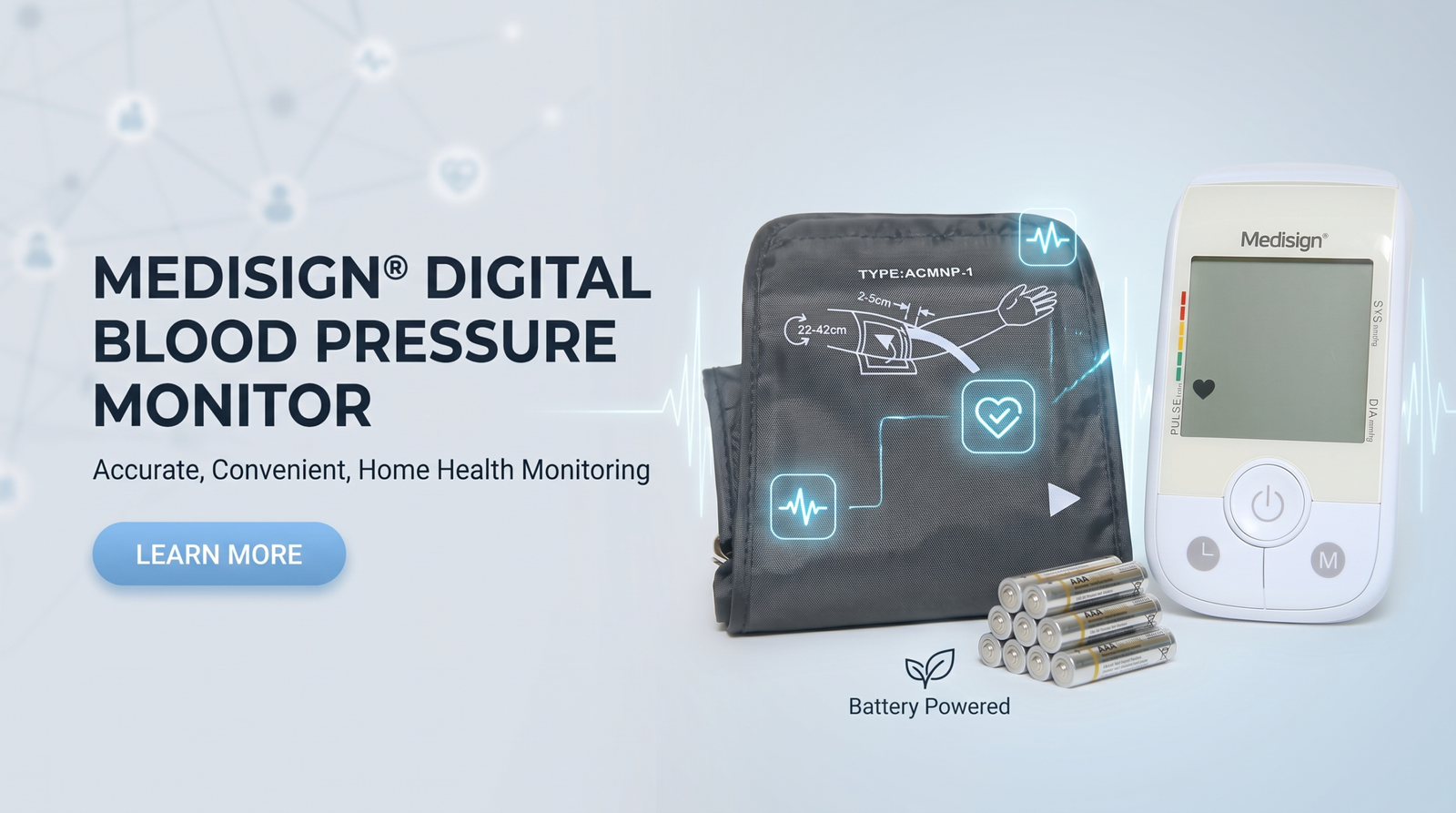
If you buy only one device, this is usually the one. A digital BP monitor gives you systolic pressure, diastolic pressure, and pulse rate in under a minute. Automatic upper-arm models are the easiest to use, which matters when the person taking the reading is an elderly parent rather than a nurse.
Before buying, check that the cuff fits the arm properly (a wrong size gives wrong readings), that the display is large and clear, and that the monitor stores past readings so you can show them to the doctor. Also look at the warranty and whether the brand offers real after-sales support.
HealthWish stocks digital blood pressure monitors, including Medisign models made for home use.
A small tip: sit quietly for a few minutes before measuring, and follow the instructions in the manual. If your readings keep coming out strange, don’t just keep re-testing. Talk to your doctor.
- Glucometer (Blood Glucose Meter)
For people who’ve been told to track their blood sugar, a glucometer is an everyday tool. You prick a fingertip with a lancet, put a drop of blood on a test strip, and the meter shows the result.
The meter is only part of the cost. Strips are what you’ll keep buying, so make sure they’re compatible with your exact meter and easy to find. A cheap meter with hard-to-find strips quickly becomes a headache.
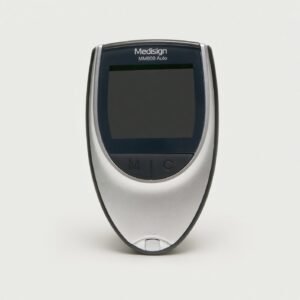
HealthWish carries Medisign glucose meters along with compatible test strips. As always, follow the device instructions and what your doctor has told you.
- Nebulizer Machine
A nebulizer turns liquid medicine into a fine mist you breathe in through a mask or mouthpiece. Doctors often recommend it for certain breathing problems, and it’s especially common for children.
When comparing models, think about how loud the compressor is (a noisy machine is stressful for a sick child), how long a session takes, how easy the parts are to clean, and whether replacement masks and tubing are easy to get.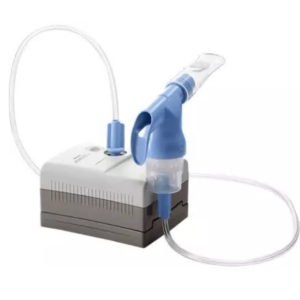
A common mix-up: a nebulizer is not an oxygen concentrator. The nebulizer delivers medicine as a mist. The concentrator supplies extra oxygen. They do completely different jobs.
- Pulse Oximeter
This is the small clip that goes on your fingertip and shows your blood oxygen level (SpO₂) and pulse rate. It became a household name in recent years, and it’s still handy for anyone a doctor has asked to keep an eye on oxygen levels.
Look for a clear display, a comfortable fit, solid build quality, and batteries you can easily replace. Keep in mind it’s a monitoring tool, not a diagnosis. If someone is struggling to breathe or shows other serious symptoms, don’t wait on a number. Get medical help.
- Digital Thermometer
Simple, cheap, and always useful. Whether it’s a child with a fever or an elderly relative who feels off, a thermometer gives you a quick answer. Pick one that reads fast, has an easy display, and is simple to clean. If you have little kids or elderly family members at home, it’s one of the first things worth having in the drawer.
- Oxygen Concentrator
This one is different from everything above. An oxygen concentrator takes in room air and delivers concentrated oxygen, and it should only be used when a doctor has prescribed oxygen therapy. It isn’t a wellness gadget.
If a doctor has recommended one, check the flow rate you need, the machine’s capacity, its power consumption, and the noise level. Think about power cuts too, since a backup plan matters when someone depends on the machine. Warranty and technical support are important here more than with any other device on this list.
HealthWish offers home-care and electromedical products, including oxygen concentrator options.
- Heating Pads
Not every home-care product is about measuring something. Heating pads are there for comfort, usually for sore or stiff muscles. Use them exactly as the instructions say, keep the heat moderate, don’t leave them on for too long, and avoid using them on areas where heat could be unsafe. If you’re unsure, ask your doctor first.
- Hospital Beds and Other Home-Care Equipment
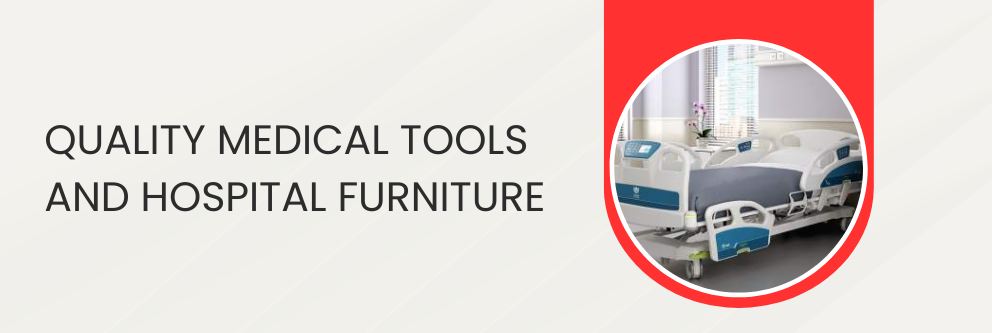
When a patient needs long bed rest or ongoing nursing care, a regular bed often isn’t enough. Adjustable hospital beds, mobility aids, and patient-care accessories make daily care easier, and they’re easier on the caregiver’s back too.
What you need depends on the patient’s mobility, how they’re recovering, and what their healthcare team advises. For someone coming home after surgery or dealing with limited movement, the right setup can make recovery noticeably more comfortable for everyone involved.
Before purchasing any medical device, consider your actual needs, product specifications, warranty, accessories, and professional medical recommendations.
Explore medical equipment and home healthcare products at HealthWish.pk and choose the equipment that fits your family’s healthcare needs.

Write a comment
Your email address will not be published. All fields are required