
Buying a wheelchair for home sounds simple until you start looking. There are dozens of models, and the right one depends less on the product than on the person using it. Maybe it’s a parent who needs help getting around the house, someone healing after surgery, or a family member with limited mobility. Either way, a little thought up front saves a lot of frustration later.
Here’s what actually matters.
- Start with the person, not the product
Ask a few honest questions first. Will they use the wheelchair for short trips from bed to the living room, or for most of the day? Can they move themselves, or will someone always need to push? Do they need extra support to sit upright comfortably?
The answers change everything. Someone who uses a chair for an hour or two has very different needs from someone who sits in one all day. If there’s a medical condition involved, talk to a doctor or physiotherapist before you buy. They can tell you things no product page will.
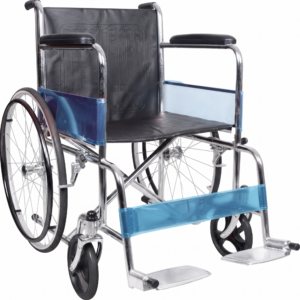
- Manual or powered?
A manual wheelchair is the usual choice for home. The user can propel it, or a caregiver can push it. It works well if the person has decent upper-body strength or someone is nearby to help.
A powered runs on a battery and motor, so it suits people who find pushing too tiring or difficult. The trade-off is practical. You’ll need room to turn it, a spot to charge it, and the user must be able to handle the controls safely.
Think about their physical ability, your budget, and how the day actually goes. The “better” option on paper isn’t always the better one in your house.
- Comfort matters more than you think
If someone is going to sit in this chair for hours, a bad fit will show up fast as sore spots, stiffness, and a general dislike of using it.
Check the seat width, the backrest, the armrests, and the footrests. The chair should hold the person firmly without squeezing them or limiting how they move. A poor fit also makes transfers (getting in and out) harder and riskier. If the person will be seated for long stretches or has complex positioning needs, ask a professional about pressure care and seating before you choose.
- Get out the measuring tape
This is the step people skip, and it’s the one they regret skipping. Measure your doorways, hallways, and the entrance to the bathroom. Look at where the chair needs to turn, and think about thresholds, steps, ramps, and floor types like thick carpet or tiles.
In a smaller home, a compact chair will be much easier to handle. A folding model is handy if you need to store it or put it in a car. And don’t trust seat width alone. Look at the chair’s overall width, because that’s the number that decides whether it fits through your bathroom door.
- Don’t overlook safety
Look for brakes that work reliably, footrests that stay put, a sturdy frame, and wheels that suit the surfaces at home. Check the maximum weight capacity too, and follow the maker’s guidance on care and maintenance.
If a caregiver is involved, it’s worth learning proper transfer techniques. Most falls happen while moving someone in or out of the chair, not while they’re sitting in it.
- Weigh quality against budget
Compare models on durability, comfort, how easy they are to use, and price. Also find out whether spare parts and servicing are easy to get, since a cheap chair that can’t be repaired isn’t much of a bargain.
The goal isn’t the most feature-packed wheelchair. It’s the one that fits the user’s daily routine without making you pay for extras they’ll never use.
Find wheelchairs and home care products at HealthWish
The best wheelchair is the one that suits the person, fits the home, and feels easy to use every day. If you’re ready to start comparing options, you can explore wheelchairs and other home healthcare essentials at HealthWish.
And if the user has specific medical, posture, or mobility needs, check with a qualified healthcare professional before you make the final call.




Write a comment
Your email address will not be published. All fields are required