Please confirm prices by phone before ordering, as currency fluctuations may affect them. Delivery all across Pakistan

Search

Need help? +92 326 9436660

How to Choose the Right Wheelchair for Home Use

Buying a wheelchair for home sounds simple until you start looking. There are dozens of models, and the right one depends less on the product than on the person using it. Maybe it’s a parent who needs help getting around the house, someone healing after surgery, or a family member with limited mobility. Either way, a little thought up front saves a lot of frustration later. Here’s what actually matters.
  1. Start with the person, not the product
Ask a few honest questions first. Will they use the wheelchair for short trips from bed to the living room, or for most of the day? Can they move themselves, or will someone always need to push? Do they need extra support to sit upright comfortably? The answers change everything. Someone who uses a chair for an hour or two has very different needs from someone who sits in one all day. If there’s a medical condition involved, talk to a doctor or physiotherapist before you buy. They can tell you things no product page will.
  1. Manual or powered?
A manual wheelchair is the usual choice for home. The user can propel it, or a caregiver can push it. It works well if the person has decent upper-body strength or someone is nearby to help. A powered runs on a battery and motor, so it suits people who find pushing too tiring or difficult. The trade-off is practical. You’ll need room to turn it, a spot to charge it, and the user must be able to handle the controls safely. Think about their physical ability, your budget, and how the day actually goes. The “better” option on paper isn’t always the better one in your house.
  1. Comfort matters more than you think
If someone is going to sit in this chair for hours, a bad fit will show up fast as sore spots, stiffness, and a general dislike of using it. Check the seat width, the backrest, the armrests, and the footrests. The chair should hold the person firmly without squeezing them or limiting how they move. A poor fit also makes transfers (getting in and out) harder and riskier. If the person will be seated for long stretches or has complex positioning needs, ask a professional about pressure care and seating before you choose.
  1. Get out the measuring tape
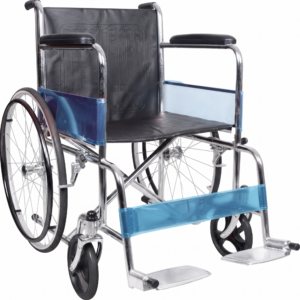
This is the step people skip, and it’s the one they regret skipping. Measure your doorways, hallways, and the entrance to the bathroom. Look at where the chair needs to turn, and think about thresholds, steps, ramps, and floor types like thick carpet or tiles. In a smaller home, a compact chair will be much easier to handle. A folding model is handy if you need to store it or put it in a car. And don’t trust seat width alone. Look at the chair’s overall width, because that’s the number that decides whether it fits through your bathroom door.
  1. Don’t overlook safety
Look for brakes that work reliably, footrests that stay put, a sturdy frame, and wheels that suit the surfaces at home. Check the maximum weight capacity too, and follow the maker’s guidance on care and maintenance. If a caregiver is involved, it’s worth learning proper transfer techniques. Most falls happen while moving someone in or out of the chair, not while they’re sitting in it.
  1. Weigh quality against budget
Compare models on durability, comfort, how easy they are to use, and price. Also find out whether spare parts and servicing are easy to get, since a cheap chair that can’t be repaired isn’t much of a bargain. The goal isn’t the most feature-packed wheelchair. It’s the one that fits the user’s daily routine without making you pay for extras they’ll never use. Find wheelchairs and home care products at HealthWish The best wheelchair is the one that suits the person, fits the home, and feels easy to use every day. If you’re ready to start comparing options, you can explore wheelchairs and other home healthcare essentials at HealthWish. And if the user has specific medical, posture, or mobility needs, check with a qualified healthcare professional before you make the final call.    

Medical Equipment for Home Use: A Beginner’s Guide

If you've ever had to rush a parent to a clinic just to check their blood pressure, you already know why home medical equipment matters. A few simple devices can save you a lot of trips, and they give families a clearer picture of what's going on between doctor visits. The catch is that the market is crowded, and if you're buying for the first time, it's hard to know where to start. So here's a practical walkthrough of the devices people in Pakistan use most at home, what each one does, and what to check before you pay for it. One thing first: these devices help you monitor and support care. They don't replace a doctor's advice, diagnosis, or treatment. Who Actually Needs This Stuff? Mostly families looking after someone who needs regular checks: elderly parents, a relative with a long-term condition, or a patient recovering at home after an illness or surgery. What you need depends on the person, so it's best to ask their doctor which readings are worth tracking before you start buying.
  1. Digital Blood Pressure Monitor
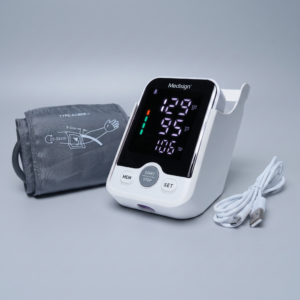
If you buy only one device, this is usually the one. A digital BP monitor gives you systolic pressure, diastolic pressure, and pulse rate in under a minute. Automatic upper-arm models are the easiest to use, which matters when the person taking the reading is an elderly parent rather than a nurse. Before buying, check that the cuff fits the arm properly (a wrong size gives wrong readings), that the display is large and clear, and that the monitor stores past readings so you can show them to the doctor. Also look at the warranty and whether the brand offers real after-sales support. HealthWish stocks digital blood pressure monitors, including Medisign models made for home use. A small tip: sit quietly for a few minutes before measuring, and follow the instructions in the manual. If your readings keep coming out strange, don't just keep re-testing. Talk to your doctor.
  1. Glucometer (Blood Glucose Meter)
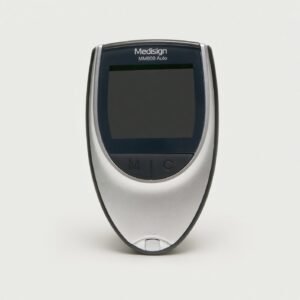
For people who've been told to track their blood sugar, a glucometer is an everyday tool. You prick a fingertip with a lancet, put a drop of blood on a test strip, and the meter shows the result. The meter is only part of the cost. Strips are what you'll keep buying, so make sure they're compatible with your exact meter and easy to find. A cheap meter with hard-to-find strips quickly becomes a headache. HealthWish carries Medisign glucose meters along with compatible test strips. As always, follow the device instructions and what your doctor has told you.
  1. Nebulizer Machine
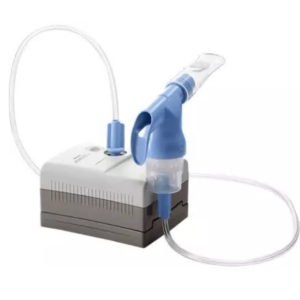
A nebulizer turns liquid medicine into a fine mist you breathe in through a mask or mouthpiece. Doctors often recommend it for certain breathing problems, and it's especially common for children. When comparing models, think about how loud the compressor is (a noisy machine is stressful for a sick child), how long a session takes, how easy the parts are to clean, and whether replacement masks and tubing are easy to get. A common mix-up: a nebulizer is not an oxygen concentrator. The nebulizer delivers medicine as a mist. The concentrator supplies extra oxygen. They do completely different jobs.

  1. Pulse Oximeter
This is the small clip that goes on your fingertip and shows your blood oxygen level (SpO₂) and pulse rate. It became a household name in recent years, and it's still handy for anyone a doctor has asked to keep an eye on oxygen levels. Look for a clear display, a comfortable fit, solid build quality, and batteries you can easily replace. Keep in mind it's a monitoring tool, not a diagnosis. If someone is struggling to breathe or shows other serious symptoms, don't wait on a number. Get medical help.
  1. Digital Thermometer
Simple, cheap, and always useful. Whether it's a child with a fever or an elderly relative who feels off, a thermometer gives you a quick answer. Pick one that reads fast, has an easy display, and is simple to clean. If you have little kids or elderly family members at home, it's one of the first things worth having in the drawer.
  1. Oxygen Concentrator
This one is different from everything above. An oxygen concentrator takes in room air and delivers concentrated oxygen, and it should only be used when a doctor has prescribed oxygen therapy. It isn't a wellness gadget. If a doctor has recommended one, check the flow rate you need, the machine's capacity, its power consumption, and the noise level. Think about power cuts too, since a backup plan matters when someone depends on the machine. Warranty and technical support are important here more than with any other device on this list. HealthWish offers home-care and electromedical products, including oxygen concentrator options.
  1. Heating Pads
Not every home-care product is about measuring something. Heating pads are there for comfort, usually for sore or stiff muscles. Use them exactly as the instructions say, keep the heat moderate, don't leave them on for too long, and avoid using them on areas where heat could be unsafe. If you're unsure, ask your doctor first.
  1. Hospital Beds and Other Home-Care Equipment
When a patient needs long bed rest or ongoing nursing care, a regular bed often isn't enough. Adjustable hospital beds, mobility aids, and patient-care accessories make daily care easier, and they're easier on the caregiver's back too. What you need depends on the patient's mobility, how they're recovering, and what their healthcare team advises. For someone coming home after surgery or dealing with limited movement, the right setup can make recovery noticeably more comfortable for everyone involved. Before purchasing any medical device, consider your actual needs, product specifications, warranty, accessories, and professional medical recommendations. Explore medical equipment and home healthcare products at HealthWish.pk and choose the equipment that fits your family's healthcare needs.  
How to Choose the Right Blood Pressure Monitor for Home Use

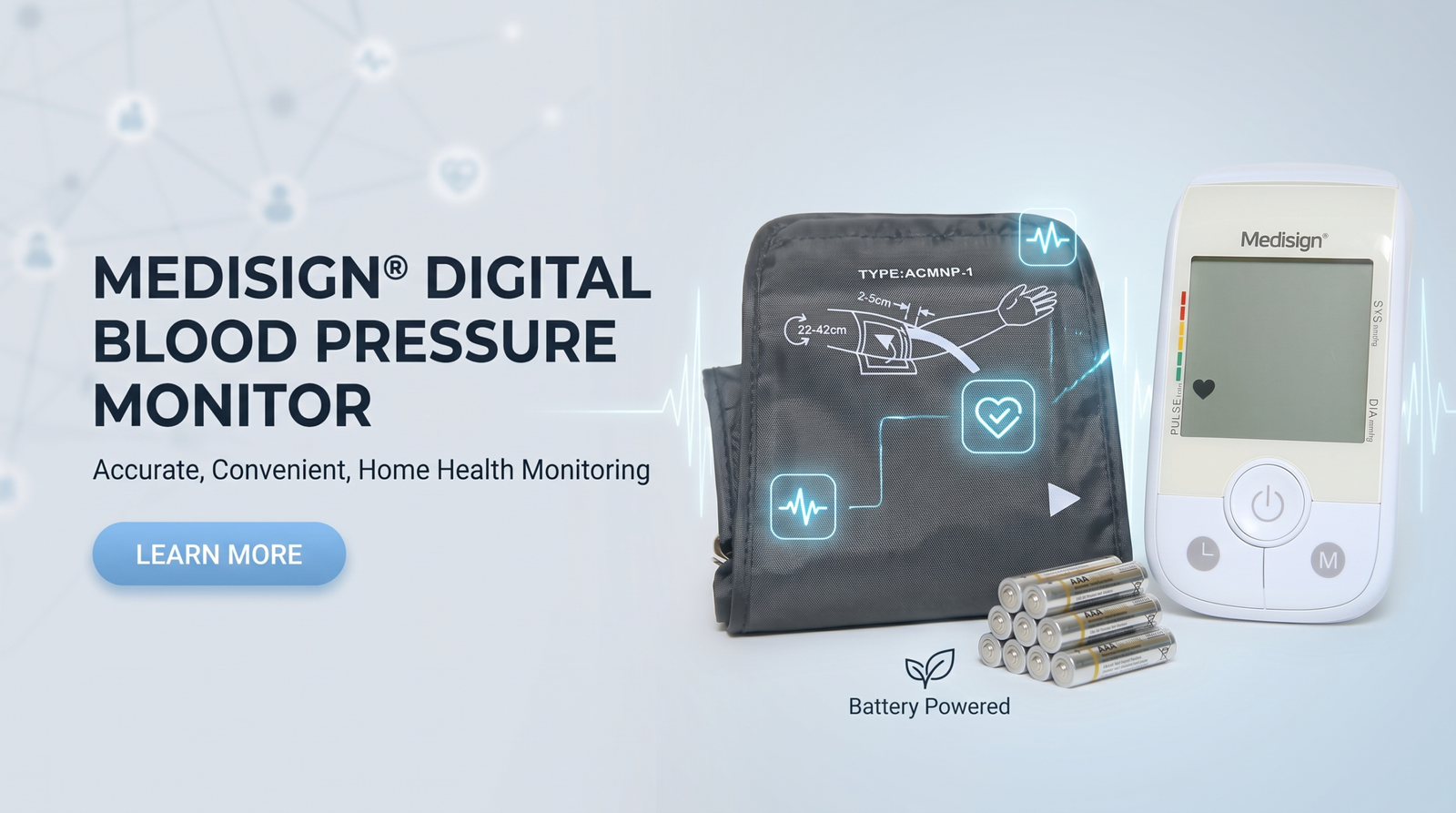
If your doctor has asked you to keep track of your blood pressure, or you just want to know your numbers, a home monitor saves a lot of running around. You measure when it suits you, write the reading down, and take the notebook along to your next appointment. A single reading at a clinic only shows one moment. A week of home readings shows a pattern. The hard part is choosing which monitor to buy. There are dozens of models, and most of them look the same on the box. This guide covers what actually matters.  What the Numbers Mean A monitor gives you two numbers. The top one is systolic, the pressure in your arteries when your heart pumps. The bottom one is diastolic, the pressure while your heart rests between beats. Most devices also show your pulse. With a digital monitor you don't need a stethoscope or any special skill. You wrap the cuff, press start, and read the screen. One thing to keep in mind: a home monitor tracks your blood pressure, but it can't diagnose anything. That is still your doctor's job. Upper-Arm, Wrist or Manual? Upper-arm monitors are what most people should buy. The cuff goes around your arm, inflates on its own, and the result appears on the display. They are easy to use, and there is less room for error. Wrist monitors are small and easy to slip into a bag. The problem is positioning. If your wrist isn't at the right height, the reading can be off, so read the manufacturer's instructions carefully before you trust one. Manual monitors need a cuff, a hand pump and a stethoscope. They are mostly used by doctors and nurses, and using one properly takes practice. For home use, a digital monitor is simpler. What to Check Before Buying Start with the cuff size. This matters more than any feature on the box. A cuff that is too small or too big can give a wrong reading. Most brands print a recommended arm circumference range on the packaging or product page, so measure your upper arm with a tape and compare before you order. Next, look at the display. Large, clear numbers help a lot, especially if the monitor is for a parent or grandparent. Memory is useful too. Some monitors store past readings, which makes it easier to show your doctor how your numbers have moved. If two or three people in the house will use the same device, check that it has separate user profiles. If you travel often, look at the weight and whether it runs on batteries or needs a plug. And whatever you buy, read the manual once. Cuff placement and waiting time between readings differ slightly from model to model. How to Take a Reading Properly Even a good monitor gives bad numbers if you use it badly. Before measuring, skip exercise, smoking and caffeine for a while. Sit quietly for about five minutes. Keep your back against the chair, feet flat on the floor, and rest your arm on a table so it sits around heart level. The cuff goes on bare skin, not over a sleeve, placed the way the manual shows. Once the monitor starts, stay still and don't talk. Then write the result down with the date and time. If a reading looks strangely high or low, don't take it as your normal. Rest for a few minutes and measure again, and follow your doctor's advice on what to do next. Mistakes That Give Wrong Readings Most wrong readings come from small habits. People talk or move while the cuff is inflating. They measure right after climbing stairs or coming in from outside. They cross their legs, or let the arm hang without support. Some put the cuff on loosely or in the wrong spot, and some use a cuff that doesn't fit their arm at all. All of these change the numbers. How Often Should You Measure? That depends on your situation. Some people are told to measure morning and evening for a week or two. Others only check now and then. If your doctor has given you a schedule, follow that. When to See a Doctor If your readings keep landing outside the range your doctor gave you, don't wait for the next routine visit. Book an appointment. And if a very high or very low reading comes with severe symptoms, get urgent medical help right away. Quick Picks by Situation For everyday home use, a simple digital monitor with a well-fitting cuff is enough. For older adults, go for a big display and easy buttons. If you plan to track readings over weeks, choose a model with memory. For travel, a compact one works best. If several people share it, make sure it supports multiple users. Shop Blood Pressure Monitors at Healthwish Healthwish stocks medical and healthcare products for homes, clinics and professionals. If you're ready to buy a digital blood pressure monitor, browse our range and compare the features and specifications before you decide. Shop Digital Blood Pressure Monitors at Healthwish Frequently Asked Questions Which type of monitor is best for home use? For most people, an automatic upper-arm digital monitor. Cuff fit, ease of use and features will decide the exact model. Are digital monitors easy to use? Yes. Just read the instructions once so you place the cuff correctly. Is an upper-arm monitor better than a wrist one? Both work, but they are used differently, and positioning matters for each. Check the cuff fit, follow the manufacturer's instructions and ask your doctor if you're unsure. What cuff size do I need? It depends on your arm circumference. Measure your upper arm and compare it with the range the manufacturer lists. Can I use a monitor without seeing a doctor? You can record your readings at home, but the monitor doesn't replace a diagnosis. If your numbers worry you, talk to a healthcare professional. Should I keep a record? Yes, especially if your doctor asked you to track your pressure. Note the date, time and reading, in the format your doctor prefers. Final Thoughts You don't need the most expensive monitor. Get a cuff that fits, a screen you can read easily, and features you will actually use. Then measure the right way and let your doctor make sense of the numbers. Browse Healthwish's range of digital blood pressure monitors and find one that suits your home.  

Top-Quality Hospital Furniture in Pakistan: Enhancing Patient Care and Comfort

Healthcare facilities in Pakistan are rapidly evolving to meet the increasing demands for better patient care and comfort. Among the many components that contribute to a well-functioning hospital environment, hospital furniture plays a pivotal role. From patient beds to medical carts, investing in high-quality furniture ensures not only operational efficiency but also the well-being of patients and healthcare professionals alike.
Importance of High-Quality Hospital Furniture Hospital furniture is more than just equipment; it’s an integral part of the patient care experience. The right furniture helps streamline medical procedures, enhances patient comfort, and supports caregivers in delivering efficient healthcare services.
In Pakistan, where healthcare infrastructure is improving, selecting durable and ergonomic hospital furniture is essential for providing world-class services. Types of Hospital Furniture Available in Pakistan Patient Beds: Adjustable beds with multiple functionalities, such as electric and manual settings, ensure comfort and accessibility for patients and caregivers.
Overbed Tables: Designed for convenience, these tables provide patients with ease during meals or activities like reading. Medical Trolleys and Carts: Essential for organizing and transporting medical tools and equipment, these carts improve efficiency during medical procedures. Waiting Area Chairs: Comfortable and durable seating for patient visitors is an important part of any healthcare facility. Ward Screens and Privacy Curtains: Ensure patient privacy while also contributing to a clean and professional environment.
Advantages of Investing in Quality Healthcare Products High-quality healthcare products offer numerous benefits: Durability: Long-lasting furniture reduces the need for frequent replacements, saving costs in the long run. Hygiene: Medical-grade materials are easier to clean and maintain, reducing the risk of infections. Ergonomics: Designed for comfort and usability, these products support patient recovery and caregiver efficiency.
Leading Suppliers of Hospital Furniture in Pakistan The demand for reliable hospital furniture in Pakistan has led to the emergence of several trusted suppliers offering a range of products tailored to the needs of healthcare facilities. These suppliers also stock a variety of medical tools and equipment to complement their furniture collections, making it easier for hospitals and clinics to procure all necessary items under one roof. 
Factors to Consider When Choosing Hospital Furniture When selecting hospital furniture, keep the following factors in mind: Material Quality: Opt for furniture made from durable and easy-to-clean materials.
Functionality: Ensure the furniture meets specific operational requirements, such as adjustable features or mobility. Compliance: Check that the furniture adheres to healthcare standards for safety and hygiene. Aesthetics: While functionality is crucial, visually appealing furniture creates a welcoming environment for patients and visitors.
Conclusion:
High-quality hospital furniture is a cornerstone of efficient healthcare delivery. From enhancing patient comfort to aiding healthcare professionals in their daily tasks, the right furniture makes all the difference. Pakistan’s growing healthcare sector is embracing advanced medical tools, equipment, and healthcare products, ensuring facilities are well-equipped to serve patients effectively. By investing in premium hospital furniture in Pakistan, healthcare providers can elevate their services to meet international standards. Upgrade your facility with the best hospital furniture and create a space that prioritizes both care and comfort.

The Importance of Quality Medical Tools and Hospital Furniture in Modern Healthcare

In today’s fast-paced healthcare environment, the quality of medical tools and hospital furniture plays a crucial role in delivering effective patient care. Whether you are a healthcare professional, a hospital administrator, or someone looking for home healthcare products in Pakistan, investing in reliable and durable medical equipment is essential. With the rise of online platforms like Healthwish, it has become easier than ever to buy medical equipment online and access a wide range of medical equipment in Pakistan and hospital furniture in Pakistan.

Why Quality Medical Tools Matter

Medical tools are indispensable in diagnosing, treating, and monitoring patients. From basic instruments like stethoscopes and blood pressure monitors to advanced devices such as ultrasound machines and surgical tools, the accuracy and reliability of these tools directly impact patient outcomes. High-quality medical equipment ensures precision, reduces the risk of errors, and enhances the overall efficiency of healthcare services. For healthcare providers in Pakistan, sourcing the right medical equipment in Pakistan is critical. Platforms like Healthwish.pk offer a comprehensive range of tools that meet international standards, ensuring that hospitals and clinics can deliver top-notch care. Additionally, the availability of sterilized and easy-to-maintain equipment helps in maintaining hygiene and preventing infections, which is a top priority in any healthcare setting.

The Role of Hospital Furniture in Patient Care

Hospital furniture is equally important in creating a comfortable and functional healthcare environment. From adjustable hospital beds and ergonomic examination tables to waiting room chairs and storage cabinets, the right furniture can significantly improve patient comfort and streamline workflows for medical staff. In Pakistan, the demand for high-quality hospital furniture in Pakistan is growing as healthcare facilities aim to upgrade their infrastructure. Healthwish.pk provides a variety of furniture options designed to meet the needs of modern hospitals and clinics. For instance, antimicrobial furniture helps in infection control, while modular designs allow for easy customization based on space requirements.

Home Healthcare Products: A Growing Trend

The concept of home healthcare is gaining traction, especially in Pakistan, where many patients prefer recovering in the comfort of their homes. From portable diagnostic devices to mobility aids like wheelchairs and walkers, home healthcare products in Pakistan are becoming increasingly popular. These products not only enhance the quality of life for patients but also reduce the burden on hospitals and caregivers. Healthwish.pk caters to this growing demand by offering a wide range of home healthcare products that are affordable, easy to use, and designed to meet the needs of patients and their families. Whether you need a blood glucose monitor for diabetes management or a comfortable hospital bed for home use, you can find it all on their platform.

The Convenience of Buying Medical Equipment Online

Gone are the days when purchasing medical equipment required visiting multiple suppliers. Today, you can easily buy medical equipment online from trusted platforms like Healthwish.pk. This convenience saves time and ensures that healthcare providers and individuals can access the best products at competitive prices. Online platforms also provide detailed product descriptions, customer reviews, and expert guidance, making it easier to choose the right equipment for your needs. Whether you are looking for medical equipment in Pakistan or hospital furniture in Pakistan, Healthwish.pk offers a seamless shopping experience with reliable delivery options.

Conclusion

The quality of medical tools and hospital furniture is a cornerstone of effective healthcare delivery. From advanced diagnostic devices to ergonomic hospital beds, these components play a vital role in ensuring patient comfort, safety, and recovery.

For those seeking home healthcare products in Pakistan or looking to buy medical equipment online, platforms like Healthwish.pk provide a one-stop solution for all your healthcare needs. 

By investing in high-quality medical equipment in Pakistan and hospital furniture in Pakistan, healthcare providers can create a safer, more efficient, and patient-friendly environment. Whether you are managing a hospital, clinic, or home care setup, choosing the right tools and furniture is essential for delivering exceptional care. Explore Healthwish.pk today and take the first step toward transforming your healthcare facility or home care experience.

35 Effective Strategies for Speech Therapy Success

Speech therapy can be highly rewarding, with diverse strategies that can help children, adults, and seniors improve communication skills. Whether you’re a caregiver, parent, or therapist, incorporating new techniques can make a significant difference. Here are 35 powerful and creative strategies for speech therapy that cater to various needs and age groups.

Incorporate Visual Aids

Visual aids like pictures and flashcards can help reinforce vocabulary and concepts, especially for younger children or visual learners.

Use Technology and Apps

Apps designed for speech therapy can provide interactive exercises and practice in a fun, engaging way.

Practice Repetition

Repeating words or sounds can help build confidence and reinforce speech patterns. Daily practice routines are effective for all age groups.

Engage in Storytelling

Storytelling encourages narrative skills, helps with sequence recall, and promotes expressive language.

Try Articulation Games

Games focusing on articulation allow individuals to work on specific sounds in a structured yet playful setting.

Use Puppets and Role-Playing

For children, puppets can make therapy sessions fun and interactive, improving confidence and expression.

Encourage Conversation Starters

Promote open dialogue with conversation starters, which can build vocabulary and social interaction skills.

Focus on Mouth and Tongue Exercises

Simple exercises that involve tongue and lip movements can improve pronunciation and articulation.

Teach Phonemic Awareness

Phonemic awareness activities like rhyming and sound blending help with pronunciation and reading readiness.

Encourage Reading Out Loud

Reading aloud enhances fluency, expression, and vocabulary. For adults, try reading news articles or short stories.

Use Reward Systems

Positive reinforcement with stickers, points, or small rewards can be motivating, especially for young children.

Practice Descriptive Language

Use sensory activities to describe objects, helping individuals expand their vocabulary and practice expressive language.

Break Down Sounds (Isolation Technique)

Focus on individual sounds before blending them into words, making it easier to master complex words.

Leverage Everyday Routines

Turn daily routines like cooking or cleaning into learning opportunities by describing steps and actions.

Use Video Modeling

Watching videos of speech exercises or even themselves speaking can give individuals a better understanding of correct pronunciation.

Incorporate Sign Language

Sign language can be a supportive tool in speech therapy, helping with word association and comprehension.

Use Rhyming and Singing

Rhymes and songs make learning new sounds fun and can improve memory retention.

Practice Self-Monitoring Techniques

Teach clients to identify and correct their errors, which encourages independence and self-awareness.

Provide Structured Playtime

Structured play sessions focused on language use are excellent for younger children, promoting social skills and vocabulary.

Use Flashcards for Vocabulary Building

Flashcards are great for repetition and quick vocabulary practice, especially when used in a game format.

Practice Mindfulness Breathing Techniques

For clients who stutter or experience speech anxiety, mindfulness and breathing exercises can help with relaxation.

Encourage Question-and-Answer Activities

Asking questions encourages verbal expression and helps with sentence formation and vocabulary.

Employ Role Models or Peers

Observing and interacting with peers or role models in a group setting can motivate individuals to improve.

Implement Gesture and Body Language Practice

Body language practice helps build confidence in communication and aids those with expressive language disorders.

Focus on Slow Speech Patterns

Encourage clients to slow down, which improves clarity and helps with enunciation.

Create a Word Journal

Keeping a journal of new words allows clients to track their progress and provides a structured way to practice.

Use Everyday Scenarios for Practice

Simulate real-life scenarios like ordering food or making a phone call, which is especially helpful for adults.

Encourage Auditory Memory Exercises

Exercises that involve repeating sentences or instructions improve listening and memory skills.

Practice Vocabulary in Context

Instead of random words, teach vocabulary in the context of daily activities, like naming groceries or clothes.

Play Memory Matching Games

Memory games help with recall, focus, and improve vocabulary retention in a fun way.

Use Picture Story Cards

Picture cards with simple stories encourage sequence learning and narrative skills, essential for language development.

Establish Eye Contact Practices

Practicing eye contact builds social skills and helps clients gain confidence during interactions.

Integrate Writing Activities

Writing sentences or journal entries reinforces vocabulary and sentence structure, complementing verbal practice.

Engage in Repetition with Variation

Vary the words or sentences in repetitive practice, which makes it less monotonous and more engaging.

Provide Positive Reinforcement and Feedback

Consistent encouragement and constructive feedback help build confidence and motivation in clients of all ages.

Back to Top
Product has been added to your cart
Compare (0)